Vietnam is often described as a country you can visit year-round. Technically, that is true. But knowing when to go—and where to go at that time—makes the difference between a good trip and an exceptional one. Stretching more than 1,600 kilometres from north to south, Vietnam experiences multiple climate zones, shifting monsoon patterns, and significant regional cost differences. A beach holiday in March feels entirely different from a cultural journey in October or a luxury river cruise in July. For travellers from Europe, North America, and Australia—especially those seeking comfort, authenticity, and value—timing matters.
This guide breaks down the best time to visit Vietnam by weather and cost, while also recommending the most suitable destinations and must-do experiences for each season. Whether you are planning a once-in-a-lifetime journey or a slow, extended stay, this article will help you travel smarter—and better.
Best time to visit Vietnam: Weather, Costs, and Where to go for the best experience
Understanding Vietnam’s Climate: One Country, Three Weather Systems
Vietnam does not have a single “best season.” Instead, it has three main climatic regions, each behaving differently throughout the year.
Northern Vietnam (Hanoi, Ha Long Bay, Sapa)
- Four distinct seasons
- Cool winters, hot and humid summers
- Occasional cold spells between December and February
Central Vietnam (Hue, Da Nang, Hoi An)
- Dry season and rainy season are opposite of the north
- Typhoons possible from September to November
Hue Weather Month-by-Month – The Best Times to Visit Vietnam’s Ancient Capital – Du Lịch Chất
Southern Vietnam (Ho Chi Minh City, Mekong Delta, Phu Quoc)
- Tropical climate
- Warm year-round
- Rainy season brings short, heavy showers rather than constant rain
Because of this diversity, there is always somewhere in Vietnam enjoying good weather—if you know where to look.
The Best Overall Time to Visit Vietnam: February to April
If you are planning a first-time trip and want the safest combination of pleasant weather, manageable crowds, and reasonable costs, February to April is widely considered the best period.
Why This Period Works So Well
- Mild temperatures across most regions
- Low rainfall
- Clear skies for landscapes and photography
- Comfortable conditions for both cities and nature
Weather Snapshot
- North: Cool to mild (15–25°C)
- Central: Warm and dry
- South: Sunny, dry, and hot but tolerable
Cost Level
- Moderate to high, especially during:
- Lunar New Year (late January or February)
- European spring holidays
Booking accommodation early is advised during peak weeks, but overall value remains strong compared to other Southeast Asian destinations.
Where to Go & What to Do (February–April)
1. Hanoi & Northern Vietnam
Why now: Cool weather makes walking, sightseeing, and outdoor activities enjoyable.
Must-do experiences
Explore Hanoi’s Old Quarter on foot
Cruise Ha Long Bay under clear skies
Trek in Sapa or Ha Giang before summer heat arrives
This is the ideal season for travellers who enjoy culture, scenery, and gentle adventure.
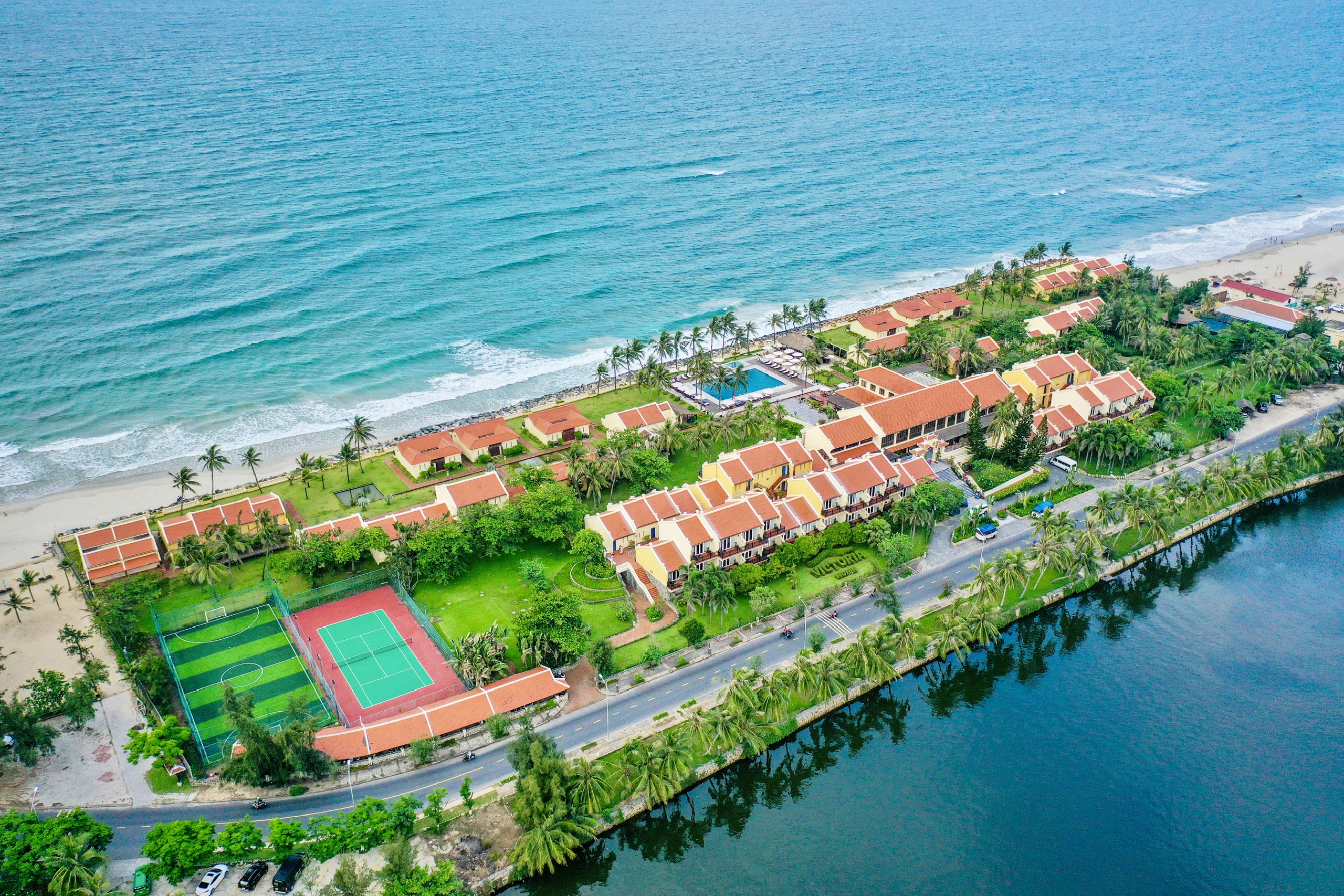
2. Central Vietnam: Hoi An, Hue, Da Nang
Why now: Central Vietnam is at its most beautiful—dry, warm, and calm.
Must-do experiences
Wander Hoi An’s lantern-lit streets
Visit Hue’s Imperial Citadel without oppressive heat
Relax on Da Nang’s beaches before summer crowds
For couples and mature travellers, this region offers heritage, cuisine, and refined coastal stays.
3. Southern Vietnam & Phu Quoc
Why now: Peak beach season.
Must-do experiences
Beach time in Phu Quoc
Mekong Delta river excursions
Food tours in Ho Chi Minh City
This period suits those seeking sun, relaxation, and soft luxury.
High Season & Highest Costs: December to January
For many international travellers, this is the most convenient time to visit Vietnam. It coincides with winter holidays in Europe, North America, and Australia.
Weather Overview
North: Cool, sometimes misty
Central: Dry and pleasant
South: Ideal beach weather
Cost Level
High
Accommodation and flights peak, especially around:
Christmas
New Year
Lunar New Year (Tet)
Is It Worth It?
Yes—if you prioritise comfort and festive atmosphere over budget.
Where to Go & What to Do (December–January)
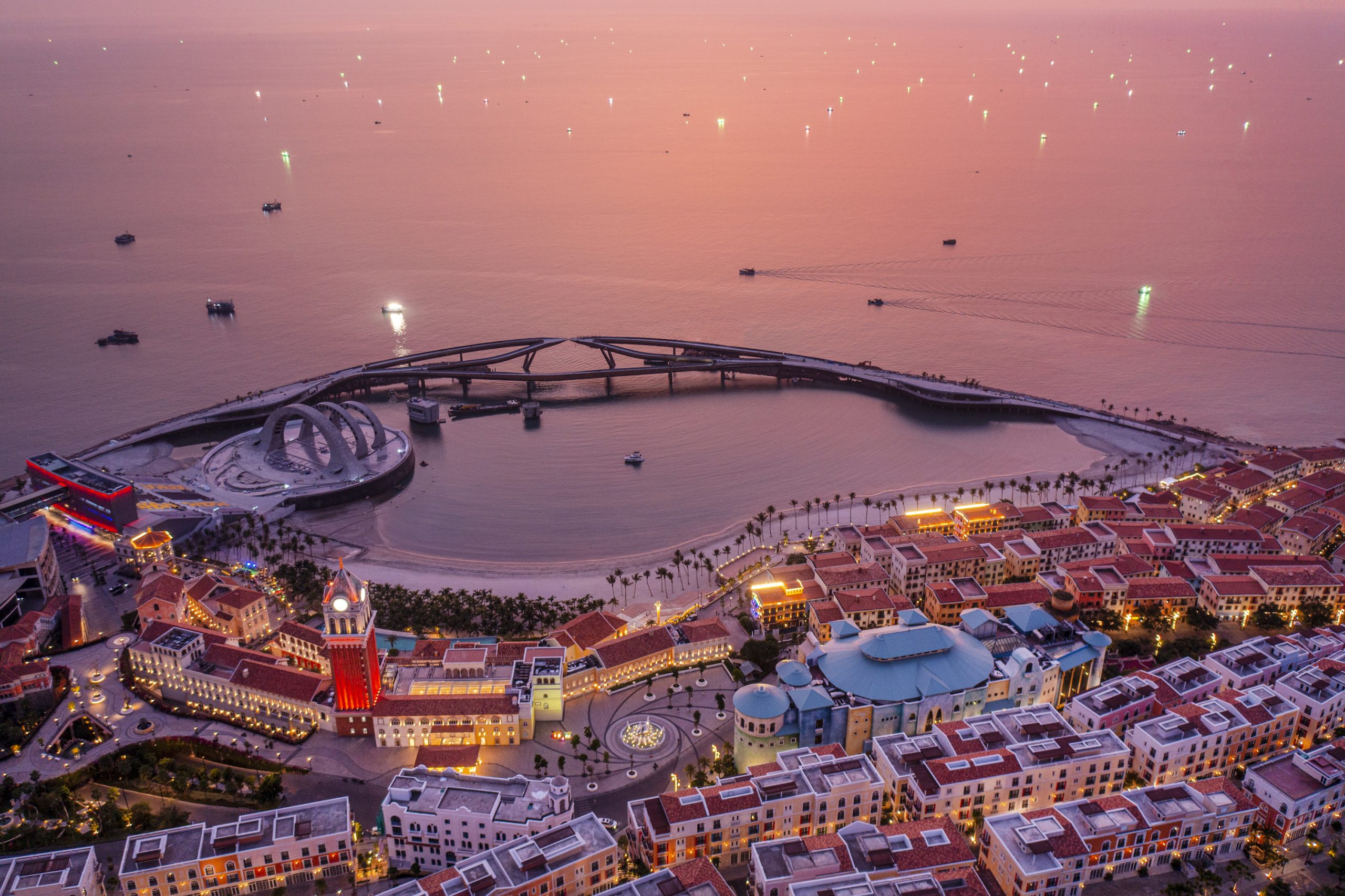
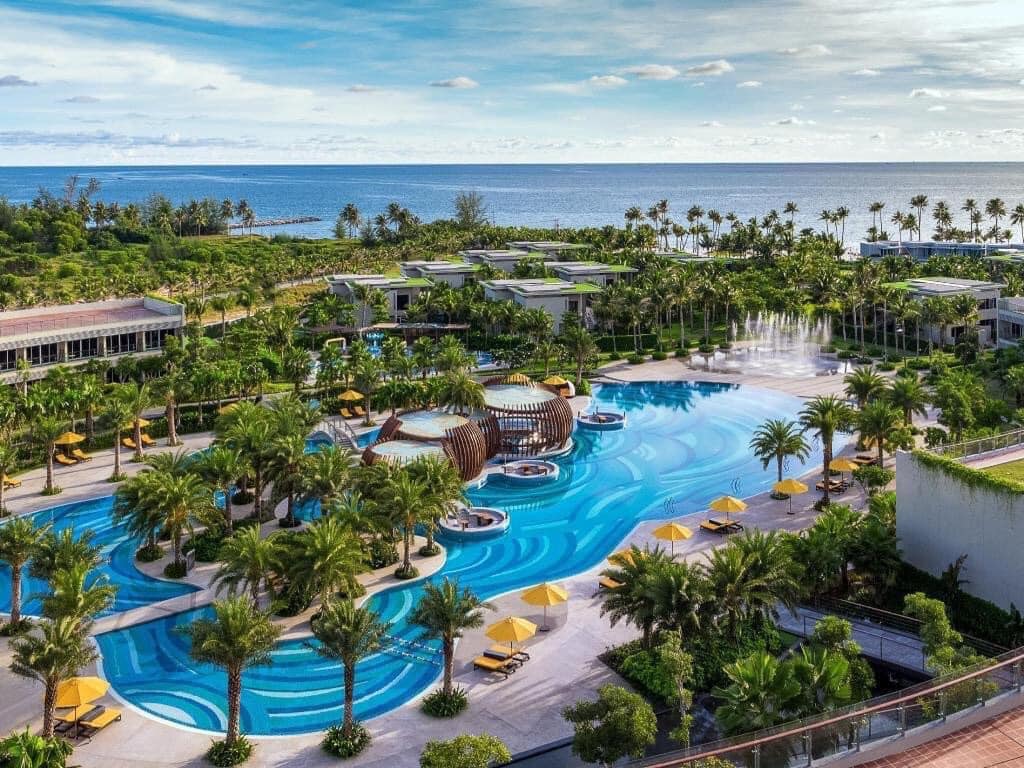
1. Phu Quoc Island
One of Southeast Asia’s best winter sun escapes.
Highlights
Calm seas
Excellent diving and snorkeling
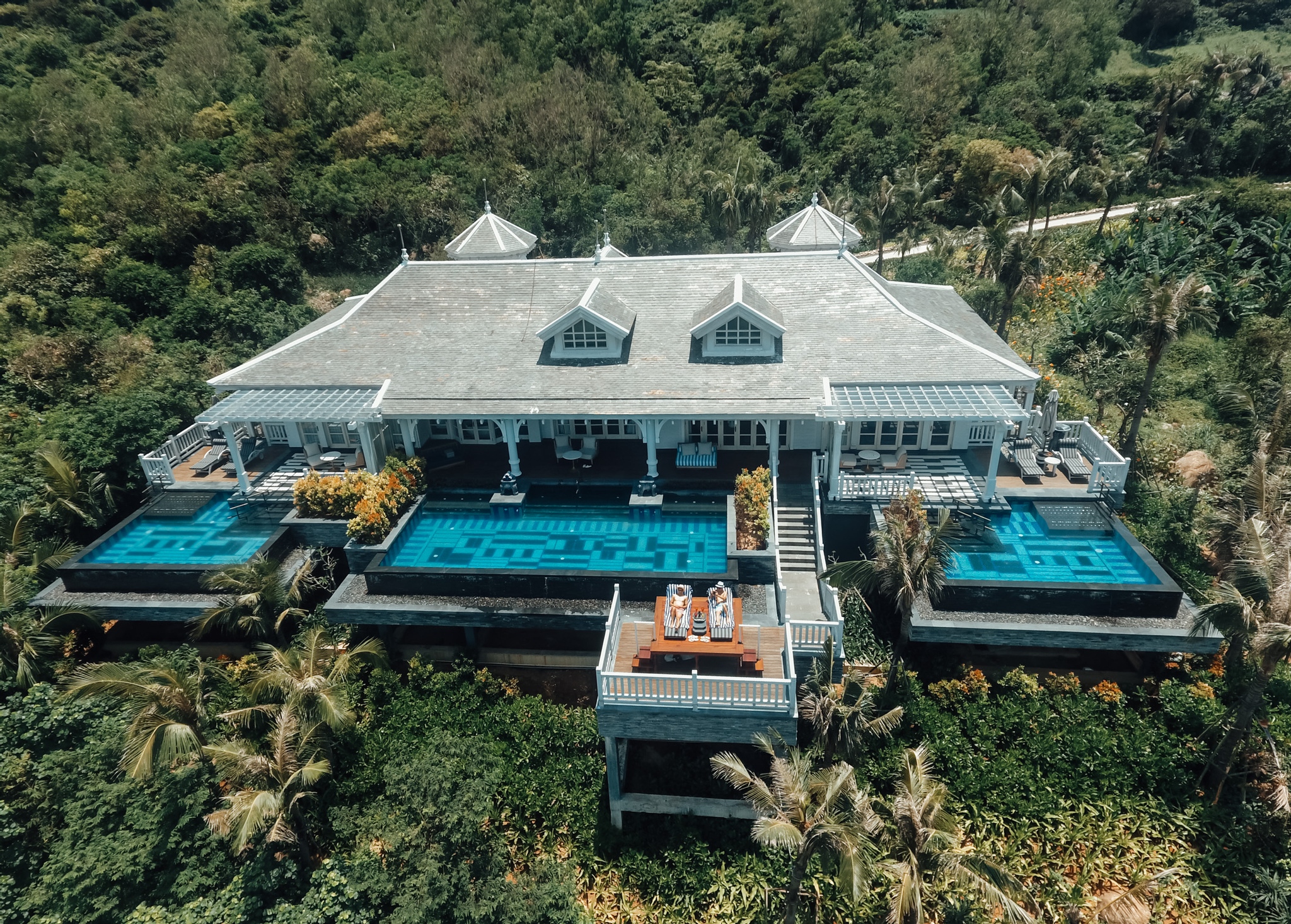
High-end resorts at full service levels
2. Ho Chi Minh City
A dynamic city with pleasant winter temperatures.
Highlights
Street food tours
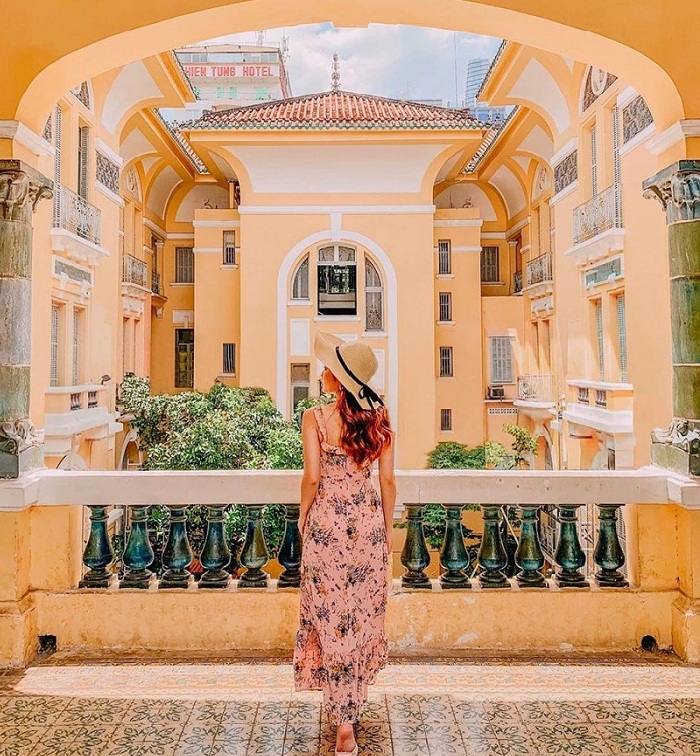
Colonial architecture walks
Easy Mekong Delta extensions
3. Central Vietnam (Hoi An & Hue)
Perfect balance of weather and atmosphere.
This period suits families, couples, and travellers seeking a refined, stress-free experience.
Best Value Season: May to August (Low Season with Big Rewards)
This is often misunderstood as a bad time to visit Vietnam. In reality, it is one of the best periods for value-conscious travellers who don’t mind heat and occasional rain.
Weather Reality Check
Hot and humid
Rain usually comes in short, intense bursts
Landscapes are lush and green
Cost Level
Low to moderate
Significant discounts on:
Luxury resorts
Cruises
Boutique hotels
Where to Go & What to Do (May–August)
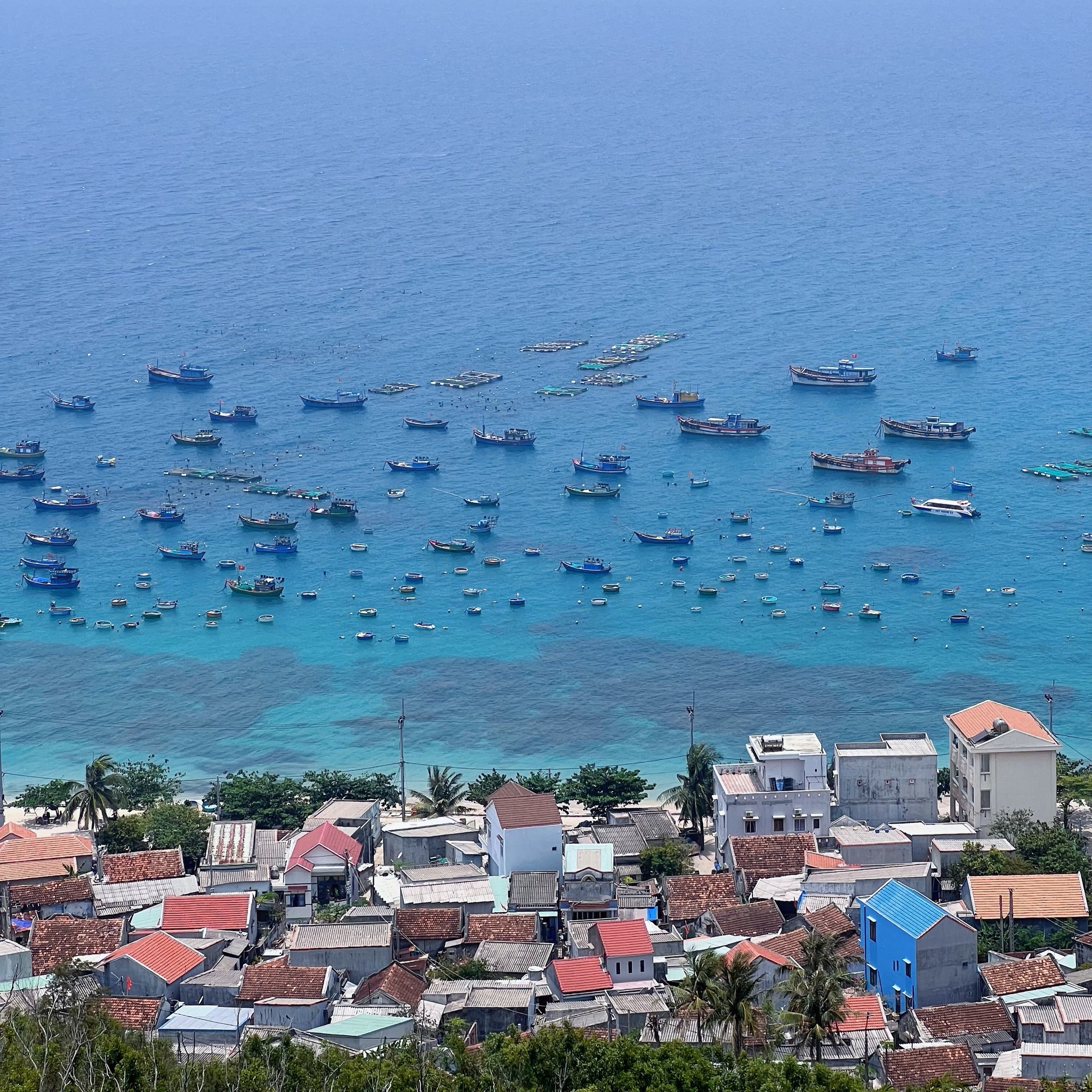
1. Central Vietnam Beaches
Why now: Central coast stays dry when the north and south receive rain.
Best choices
Da Nang
Hoi An
Quy Nhon
Must-do experiences
Beach relaxation
Cultural sightseeing early morning or late afternoon
Cooking classes and slow travel experiences
2. Mekong Delta
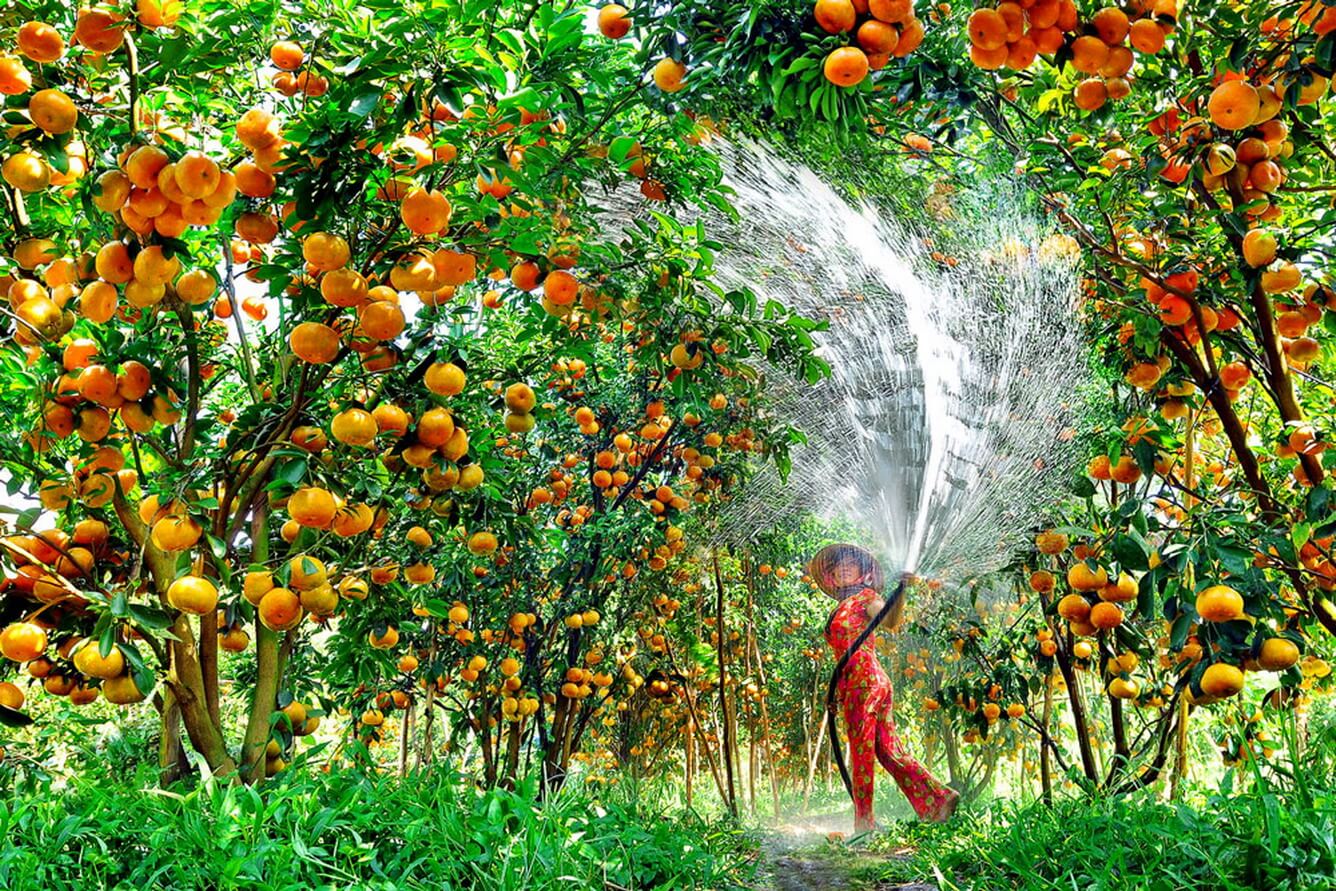
Why now: River landscapes are at their greenest.
Must-do experiences
Floating markets
Village cycling
River cruises and homestays
This is an excellent time for slow travellers, retirees, and repeat visitors seeking deeper cultural immersion.
Shoulder Season Sweet Spot: September to October
For experienced travellers, this period offers excellent value with fewer crowds, but it requires thoughtful planning.
Weather Considerations
Typhoons possible in Central Vietnam
Rain in the north begins to ease
South remains warm with occasional showers
Cost Level
Low to moderate
Good availability and competitive pricing
Where to Go & What to Do (September–October)
1. Northern Vietnam (Hanoi, Sapa, Ha Giang)
Why now: Rice terraces turn golden before harvest.
Must-do experiences
Scenic trekking
Mountain drives
Photography-focused itineraries
2. Ho Chi Minh City & Southern Vietnam
Great for urban exploration and food-focused travel.
This period suits adventurous travellers and photographers.
Month-by-Month Snapshot (Quick Reference)
January–February: Cool north, perfect south – peak travel
March–April: Best overall balance nationwide
May–June: Hot, fewer crowds, excellent deals
July–August: Lush landscapes, best for central beaches
September–October: Shoulder season, golden rice terraces
November–December: Transition into peak season
Who Vietnam Is Best For (By Travel Style)
Cultural & Heritage Travellers
Best time: February–April
Focus: Hanoi, Hue, Hoi An
Beach & Relaxation Seekers
Best time: December–March
Focus: Phu Quoc, Da Nang, Con Dao
Slow Travelers & Retirees
Best time: May–October
Focus: Mekong Delta, small towns, river cruises
Luxury & Quiet Travel
Best time: Shoulder seasons
Focus: Boutique resorts, heritage hotels, river journeys
Vietnam is not a destination you visit once and fully understand. It is a country that reveals different personalities depending on when and how you travel. For first-time visitors, spring offers clarity and balance. For seasoned travellers, the green season delivers intimacy and value. For those chasing winter sun, Vietnam rivals far more expensive destinations—with greater cultural depth. Ultimately, the best time to visit Vietnam is not just about weather or cost, but about matching the season to your travel style. Do that, and Vietnam will not merely meet expectations—it will quietly exceed them.