One of the reasons Vietnam remains so popular with international travelers is simple: it offers excellent value for money. That doesn’t necessarily mean Vietnam is “cheap” in every situation. Luxury resorts, high-end restaurants, and premium experiences can cost as much as they do in many other countries. However, for most visitors, Vietnam allows a level of comfort and convenience that would be considerably more expensive elsewhere.
If you’re planning your first trip, one of the most common questions is: how much money should you budget? The answer depends on how you like to travel. A backpacker staying in hostels will spend very differently from a couple booking boutique hotels or a family staying in beachfront resorts.
This guide breaks down the typical costs that visitors can expect and provides realistic daily budgets for different travel styles.
Vietnam travel cost: How much does a trip to Vietnam cost in 2026?
Is Vietnam expensive?
Compared with countries such as the United States, Australia, the United Kingdom, Singapore, Japan, or most of Western Europe, Vietnam is generally considered affordable. Accommodation, local food, transportation, and many attractions remain reasonably priced. At the same time, infrastructure and tourism services have improved significantly over the past decade, giving travelers access to a wide range of options.
Many visitors are surprised by how comfortably they can travel on a mid-range budget.
Average daily travel costs
Budget travelers
A budget traveler using hostels, local buses, street food, and low-cost activities can often spend around: USD 25 – 45 per day
This typically includes:
Hostel accommodation
Street food and local restaurants
Local transportation
Basic sightseeing
Budget travel in Vietnam remains one of the most affordable ways to explore Southeast Asia.
Mid-Range travelers
Most international visitors fall into this category. Expect to spend approximately: USD 60 – 120 per day
This usually covers:
Comfortable hotels or boutique accommodations
Domestic flights between regions
Restaurant meals
Guided tours
Ride-hailing services
At this budget level, many travelers find Vietnam offers excellent value.
Luxury travelers
Luxury experiences are widely available throughout the country. Expect daily costs of: USD 200+ per person
This may include:
High-end hotels and resorts
Private transportation
Premium cruises
Fine dining
Personalized tours
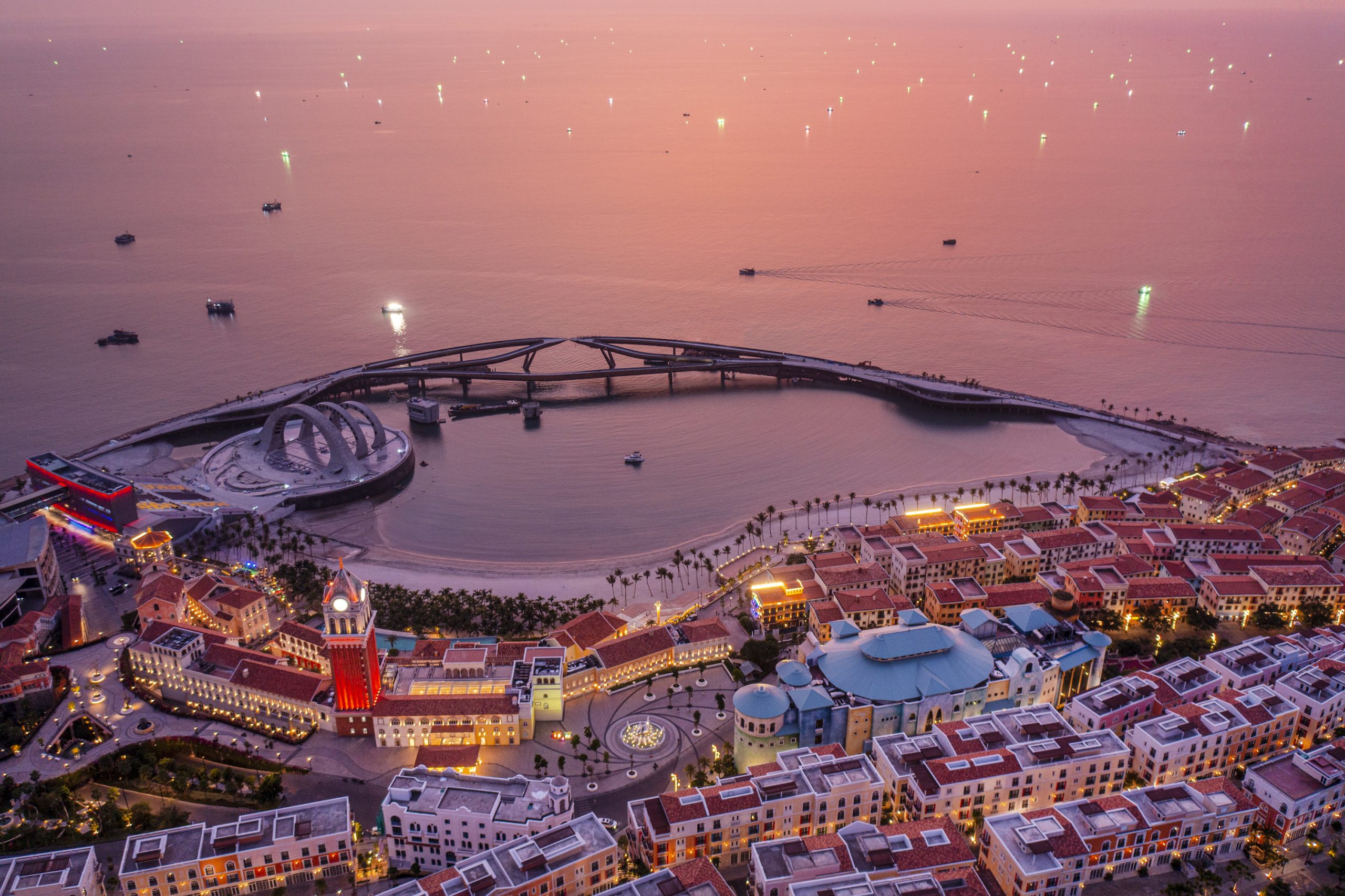
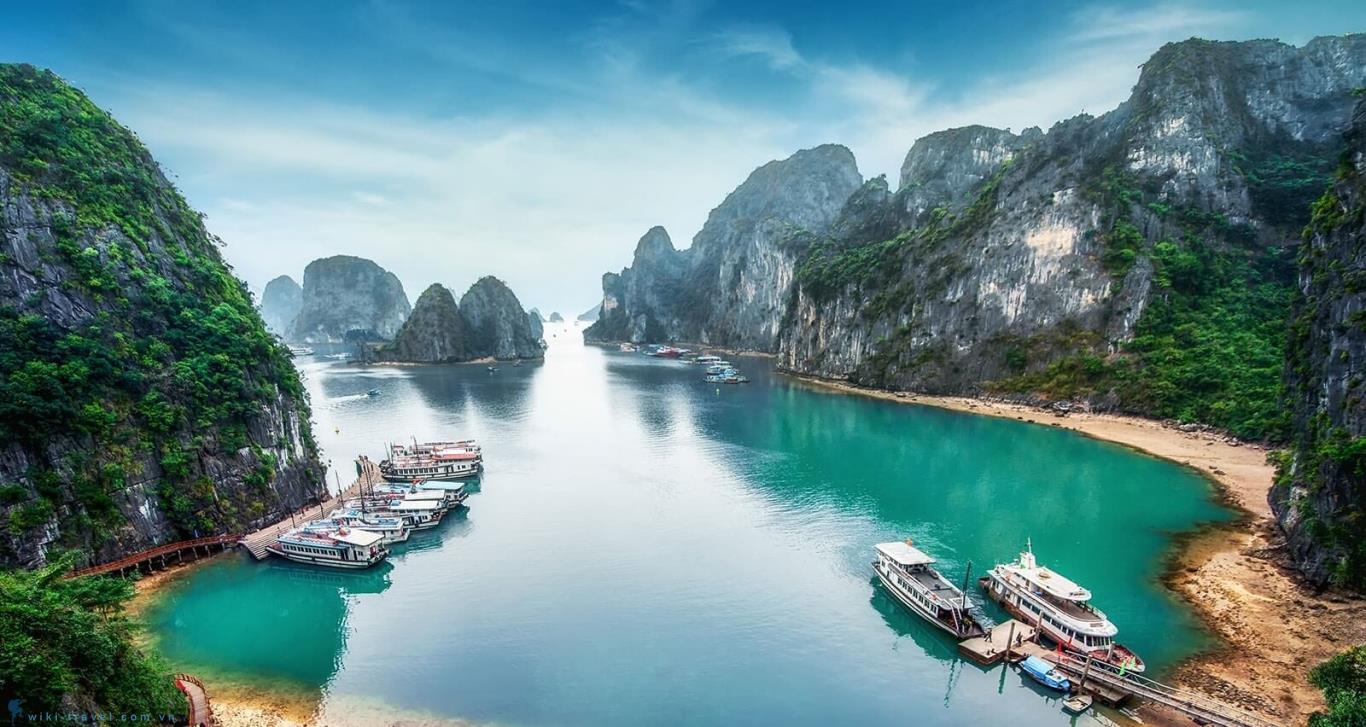
Vietnam’s luxury travel sector has expanded rapidly, particularly in destinations such as Phu Quoc, Da Nang, Nha Trang, and Ha Long Bay.
Accommodation costs
Accommodation is often one of the biggest factors affecting your budget.
Hostels
Dormitory beds in major tourist destinations typically range from: USD 5 – 15 per night
Private rooms in hostels are usually available at higher rates.
Mid-Range Hotels
Comfortable three- and four-star hotels often cost: USD 30 – 80 per night
Many include breakfast and central locations.
Luxury Hotels and Resorts
Five-star properties generally begin around: USD 100 – 150 per night, with premium resorts costing significantly more during peak periods.
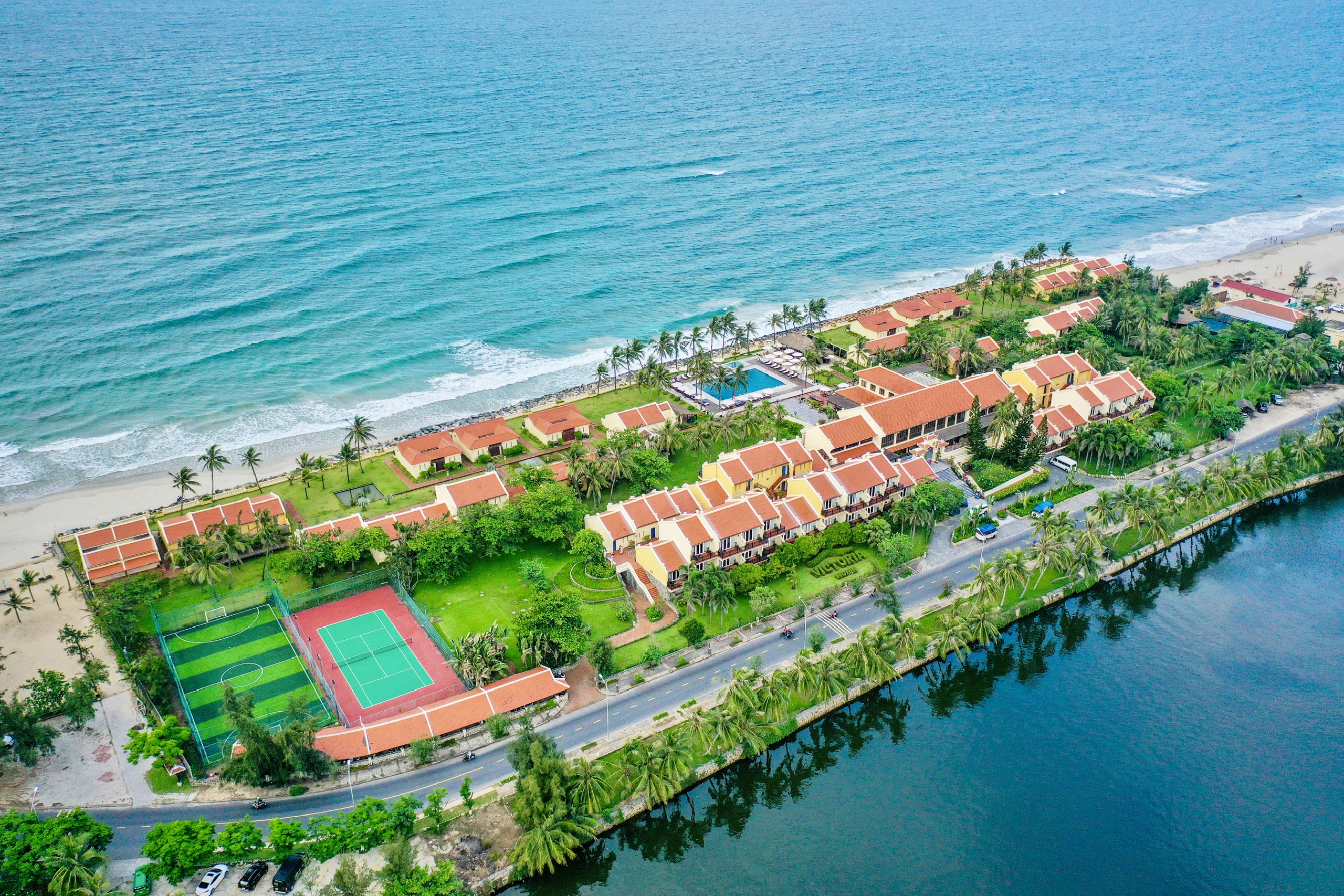
Vietnam’s resort destinations offer some particularly strong value compared with similar properties in other parts of Asia.
Food Costs
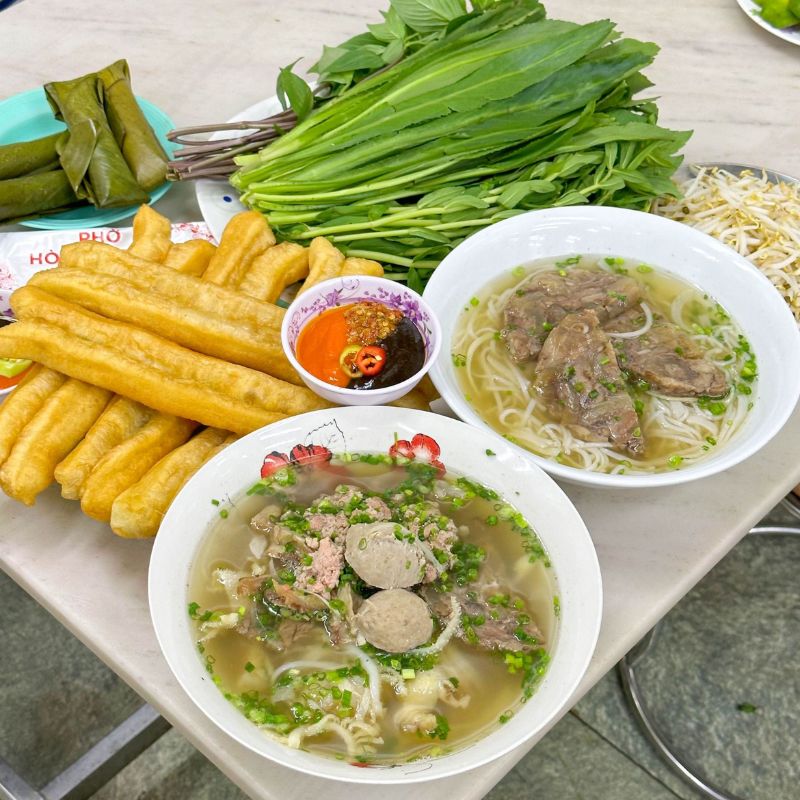
Food is one of the areas where many travelers feel they receive exceptional value. Street food and local eateries remain affordable while often delivering some of the most memorable meals of a trip. A simple local breakfast may cost only a few dollars. Meals at casual restaurants typically remain affordable by international standards. Upscale dining is available in major cities but generally costs less than comparable experiences in many Western countries.
One useful tip: don’t assume higher prices automatically mean better food. Some of Vietnam’s most respected dishes come from small family-run businesses that have been serving the same recipes for decades.
Transportation Costs
Domestic Flights
Vietnam is a long country, and domestic flights can save significant time. Flights between major cities are usually affordable when booked in advance, although prices rise during public holidays and peak travel periods. For many first-time visitors, flying between regions is the most practical option.
Trains
Vietnam’s railway network offers a scenic alternative. Train travel can be slower than flying but allows visitors to experience the changing landscapes between destinations.
Ride-Hailing Services
In major cities, ride-hailing apps are widely used and generally offer convenient transportation at reasonable prices. For many visitors, they are often easier than negotiating with traditional taxis.
Popular Activities and Tours
Some of the largest expenses beyond accommodation and transportation often come from tours and experiences.
Examples include:
Ha Long Bay cruises
Mekong Delta tours
Cooking classes
Guided city tours
Adventure activities
National park excursions
These experiences vary significantly in price depending on group size, duration, and level of service. When comparing options, focus on quality and reviews rather than choosing solely based on the lowest price.

How Much Does a 10-Day Vietnam Trip Cost?
A realistic estimate for a 10-day trip might look like this:
Budget Travel
Approximately: USD 300 – 500 per person
Mid-Range Travel
Approximately: USD 800 – 1,500 per person
Luxury Travel
Approximately: USD 2,000+ per person
These estimates can vary depending on travel season, accommodation choices, and the number of domestic flights included.
International airfare is not included.
Hidden Costs Many Travelers Forget
While Vietnam is generally affordable, there are a few expenses visitors sometimes overlook. Domestic flights between regions can add up if booked at the last minute. Airport transfers, souvenirs, premium tours, and occasional convenience purchases may also increase your total spending more than expected. Travel insurance is another important expense that should not be ignored. Including a small buffer in your budget helps avoid surprises.

Can You Travel Vietnam on a Budget?
Absolutely. Vietnam remains one of the most accessible destinations in Asia for travelers who want to keep costs under control. At the same time, spending slightly more often improves comfort significantly. Upgrading from a hostel to a well-reviewed hotel or choosing a quality overnight cruise can make a noticeable difference to your overall experience.
For many travelers, the best value lies somewhere in the middle.
Vietnam can be as affordable or as luxurious as you want it to be. The good news is that most visitors find they receive excellent value regardless of their budget. Whether you’re eating a bowl of noodles at a local market, staying in a boutique hotel in Hoi An, or cruising through Ha Long Bay, the country offers experiences that often feel more expensive than they actually are. Rather than focusing solely on spending as little as possible, think about where your budget will have the biggest impact on your trip. A comfortable room, a well-organized tour, or an extra day in a place you love is often money well spent.
Vietnam itinerary 7 days: A first-timer’s journey through Hanoi, Ha Long Bay & Hoi An – Du Lịch Chất
Vietnam itinerary 10 days: A realistic first-time route – Du Lịch Chất
Vietnam itinerary 14 days: The perfect first-time trip through Vietnam – Du Lịch Chất
Những gì liên quan đến du lịch mình đã dùng hoặc tìm hiểu kỹ trước khi giới thiệu, từ đặt vé máy bay, khách sạn đến các đồ dùng như vali, balo, pin sạc dự phòng và các phụ kiện du lịch cần thiết.
Xem gợi ý du lịch →