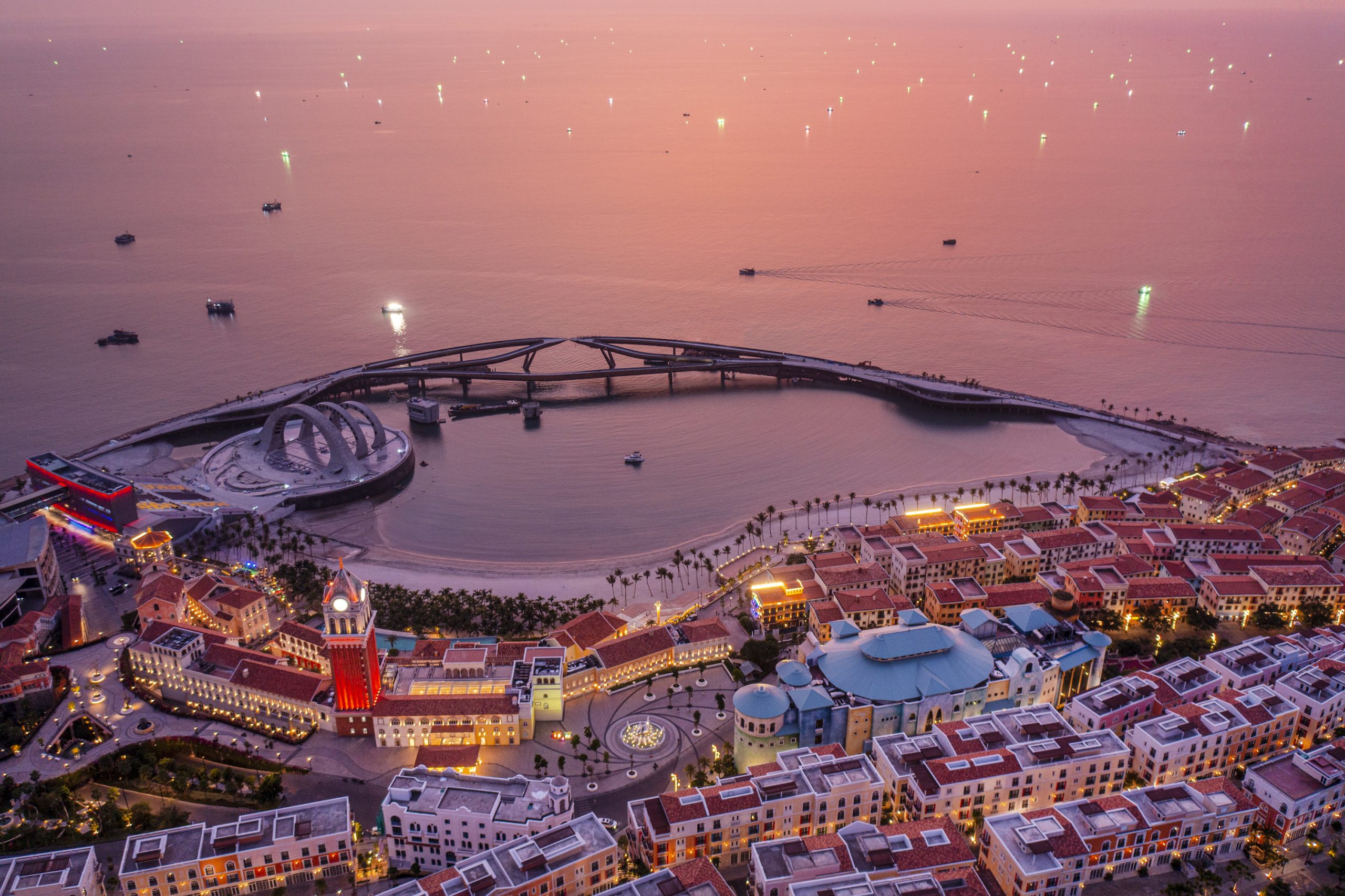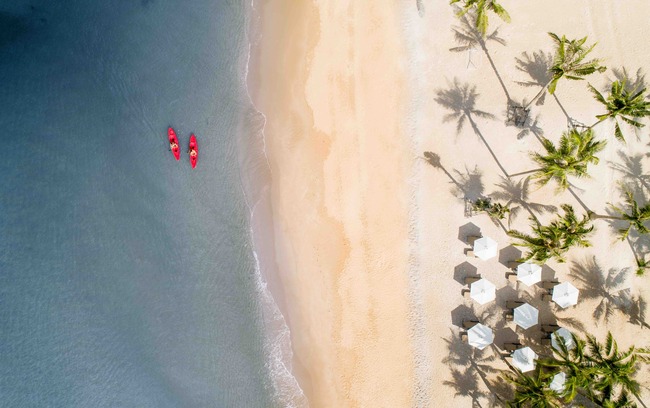
Vietnam has become one of the most popular travel destinations in Asia, attracting visitors with its diverse landscapes, rich history, vibrant cities, and exceptional food. Yet for many first-time travelers, planning a trip here can feel confusing. The country is longer than many people expect. Weather varies significantly between regions. Transportation options can seem overwhelming. And online advice often ranges from genuinely helpful to wildly outdated.
If you’re visiting Vietnam for the first time, this guide covers the essentials: where to go, how long to stay, what to budget, how to get around, and a few practical tips that can make your trip smoother.
Vietnam travel guide for first-time visitors: What you really need to know before you go
Is Vietnam worth visiting?
For most travelers, the answer is yes.
Vietnam offers an unusual variety of experiences within a single country. In one trip, you can explore historic cities, cruise through limestone bays, relax on beaches, visit mountain regions, and experience daily life along river systems that support entire communities. What many visitors appreciate most is the contrast between destinations. Hanoi feels very different from Ho Chi Minh City. Hoi An has a completely different atmosphere from both. Even the food changes noticeably from north to south.
Because of this diversity, Vietnam appeals to a wide range of travelers, including backpackers, families, couples, food enthusiasts, photographers, and long-term travelers.
How many days do you need in Vietnam?
A common mistake is trying to see too much in too little time. Vietnam stretches for more than 1,600 kilometers from north to south. While domestic flights make travel relatively easy, moving between destinations still takes time.
For most first-time visitors:
7 days is enough to see one region well.
10 days allows you to visit several highlights.
14 days provides a balanced introduction to the country.
3 weeks or more gives you the flexibility to explore at a slower pace.
If you only have one week, focus on either northern, central, or southern Vietnam rather than attempting to cover the entire country.
Vietnam itinerary 7 days: A first-timer’s journey through Hanoi, Ha Long Bay & Hoi An – Du Lịch Chất
Vietnam itinerary 10 days: A realistic first-time route – Du Lịch Chất
Vietnam itinerary 14 days: The perfect first-time trip through Vietnam – Du Lịch Chất
When is the best time to visit Vietnam?
There is no single answer because weather varies across the country.
Northern Vietnam, including Hanoi, Ninh Binh, Ha Long Bay, and Sapa, experiences four seasons. Winters can be surprisingly cool, while summers are hot and humid.
Central Vietnam, including Da Nang and Hoi An, tends to have its best weather from around February to August, while heavy rains are more common later in the year.
Southern Vietnam, including Ho Chi Minh City and the Mekong Delta, stays warm throughout the year and generally has distinct dry and rainy seasons.
For travelers planning a multi-region trip, March and April are often considered among the most comfortable months overall.
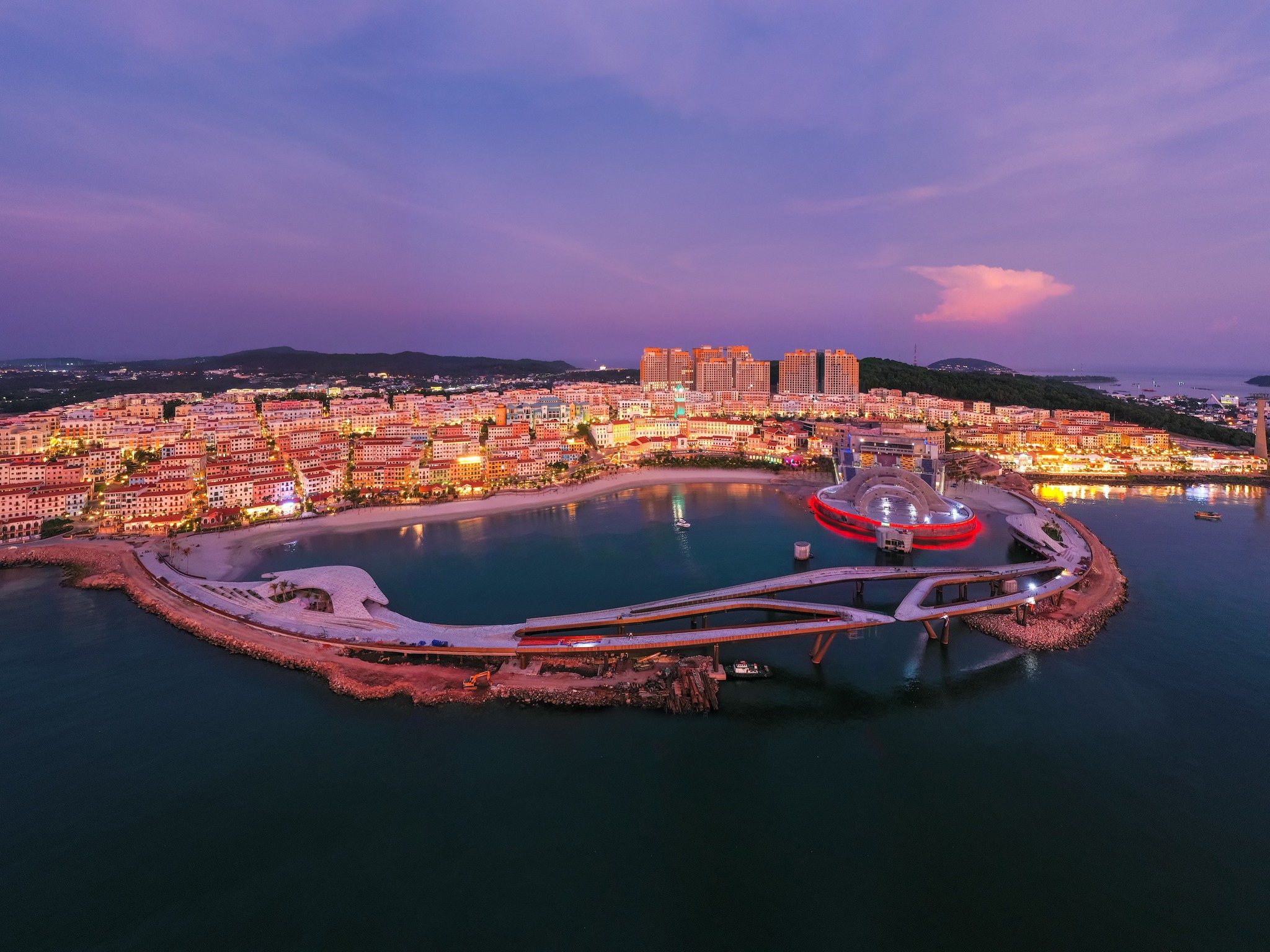
Where should first-time visitors go?
If this is your first trip to Vietnam, it is usually better to visit a few destinations properly rather than trying to see everything.
A classic route includes:
Hanoi: Vietnam’s capital offers a fascinating mix of history, street life, traditional food, and local culture.
Ha Long Bay or Lan Ha Bay: Known for dramatic limestone islands rising from emerald waters, this remains one of Vietnam’s most recognizable landscapes.
Hoi An: A historic trading town with preserved architecture, excellent food, nearby beaches, and a relaxed atmosphere.
Ho Chi Minh City: Vietnam’s largest city offers insight into the country’s modern development as well as important historical sites.
Mekong Delta: A region where rivers play a central role in everyday life, offering a very different perspective on Vietnam.
Together, these destinations provide a well-rounded introduction to the country.

How much does a trip to Vietnam cost?
Vietnam remains relatively affordable compared with many Western countries, although prices have increased in recent years.
Budget travelers can still travel comfortably using local transportation, guesthouses, and street food.
Mid-range travelers will find good value in hotels, domestic flights, guided tours, and restaurants.
Luxury travelers have access to high-end resorts, private tours, luxury cruises, and international-standard accommodations in most major destinations.
Your total budget will depend heavily on accommodation choices and domestic flights, but many visitors find Vietnam offers strong value for money compared with other popular travel destinations.
Getting around Vietnam
Because of the country’s size, domestic flights are often the most efficient option for first-time visitors. Vietnam’s major airlines connect cities such as Hanoi, Da Nang, Ho Chi Minh City, Phu Quoc, and Da Lat with frequent daily services.
Trains are popular for scenic journeys and travelers who prefer slower travel. The route between Hanoi and Ho Chi Minh City is particularly famous, although few visitors travel the entire distance by rail.
Buses are widely available and can be economical, though travel times may be longer than many international visitors expect.
Within cities, ride-hailing apps are commonly used and generally make transportation straightforward.

Is Vietnam safe for tourists?
Vietnam is generally considered a safe destination for international visitors. Violent crime against tourists is uncommon, and millions of travelers visit each year without major issues.
The most common challenges tend to be practical rather than dangerous. Busy traffic can be intimidating at first, particularly in large cities. Petty theft occasionally occurs in crowded tourist areas, as it does in many destinations around the world.
Basic precautions such as keeping valuables secure, being aware of your surroundings, and using reputable transportation services are usually sufficient.
What about the food?
Vietnamese cuisine is often one of the highlights of a trip. While pho is internationally famous, it represents only a small part of the country’s culinary traditions. Regional dishes vary significantly, and many visitors are surprised by how different the food tastes from one city to another.
Street food is deeply woven into everyday life. Some of the most memorable meals are often found at small family-run businesses rather than large restaurants. If you have dietary restrictions, major tourist destinations generally offer increasing numbers of vegetarian, vegan, and international dining options.

7 Must-Try Local Seafood Spots in Da Nang – Du Lịch Chất
A few practical tips for first-time visitors
Don’t try to visit every famous destination on your first trip.
Allow extra time for transportation days.
Carry some cash, especially when visiting smaller towns and local markets.
Download offline maps before traveling.
Expect traffic to feel overwhelming at first, particularly in Hanoi and Ho Chi Minh City.
Be open to changing your plans. Some of the best travel experiences happen unexpectedly.
Vietnam is not a destination that reveals itself immediately. At first, the traffic, noise, and pace of daily life can seem overwhelming. But give it a little time and patterns begin to emerge. Morning coffee culture, bustling local markets, family-run food stalls, quiet countryside roads, and conversations with locals all start to become part of the experience. For many travelers, Vietnam is not a place that impresses through a single landmark. It is a country remembered through a collection of moments.
The more time you give yourself to experience those moments, the more rewarding your trip is likely to be.
Vietnam itinerary 7 days: A first-timer’s journey through Hanoi, Ha Long Bay & Hoi An – Du Lịch Chất
Vietnam itinerary 10 days: A realistic first-time route – Du Lịch Chất
Vietnam itinerary 14 days: The perfect first-time trip through Vietnam – Du Lịch Chất
Những gì liên quan đến du lịch mình đã dùng hoặc tìm hiểu kỹ trước khi giới thiệu, từ đặt vé máy bay, khách sạn đến các đồ dùng như vali, balo, pin sạc dự phòng và các phụ kiện du lịch cần thiết.
Xem vali →